Goal
High-protein snacks
A snack with around 20 g of protein can close the gap between your meals and your target. What to keep on hand and what to check on the label.
What a snack is for
A snack is a small meal with a job: covering a long gap, fuelling or following training, or topping up a protein total that three meals did not reach. Sports nutrition guidance suggests protein feedings of roughly 0.25 g per kg of body weight, or 20–40 g, every three to four hours, and a snack is the easy way to add one.
Feeding trials also show a modest increase in fullness after higher-protein eating occasions, although people did not reliably eat less at the next meal. That is still useful when the snack’s job is to get you comfortably from lunch to a late dinner.
What to keep on hand
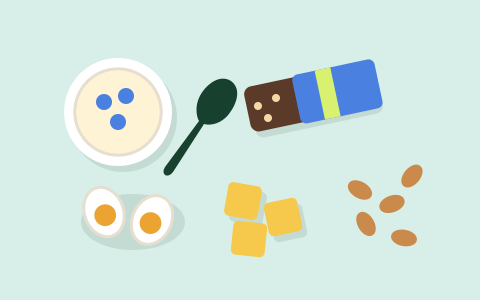
From USDA data, per 100 g: Greek yogurt has about 10 g of protein, low-fat cottage cheese 10–12 g, tinned tuna in water about 25 g and shelled edamame about 12 g. A large egg has about 6 g. So 200 g of yogurt or three boiled eggs each give roughly 20 g, and 100 g of tuna about 25 g.
For snacks that travel, protein bars, jerky, roasted chickpeas and shakes are convenient. Read the nutrition panel, not the front of the pack: compare the protein with the total calories, and check the sugar and fat. On recipe pages here, sorting by “Protein per calorie” does that comparison for you.
Fitting snacks into the day
Decide on the snack in advance and log it like any other meal. The planner’s “fits what’s left” shows which snacks fit the protein and calories you have remaining. If dinner is going to be late, a mid-afternoon snack with protein makes the evening easier; if you are already on target, you do not need one.
Worth knowing
- Snacks are optional. If your meals already meet your targets, another eating occasion only adds calories.
- Bars and shakes vary widely. Check the protein, calories and sugar per serving on the label.
- If you have kidney disease, talk to your doctor before raising your protein intake.
Common questions
How much protein should a snack have?
Around 20 g is a reasonable aim; guidance for people who train suggests about 0.25 g per kg of body weight per feeding. Less is fine if your meals carry the rest.
Is a protein snack before bed worth it?
It can be a convenient way to raise your daily total. Studies reviewed by the ISSN used 30–40 g of casein before sleep and found higher overnight muscle protein synthesis. Daily protein still matters most.
Are protein bars a good snack?
They are convenient, not special. Compare protein with total calories and check the sugar. Yogurt, eggs or tinned fish often give more protein for fewer calories.
Sources
General information, not medical or dietary advice. Speak to a doctor or registered dietitian about your own situation.