Eating style
Pescatarian
A vegetarian diet plus fish and seafood. How much fish to aim for, which nutrients it makes easier, and every fish and meat-free recipe on the site.
What it is
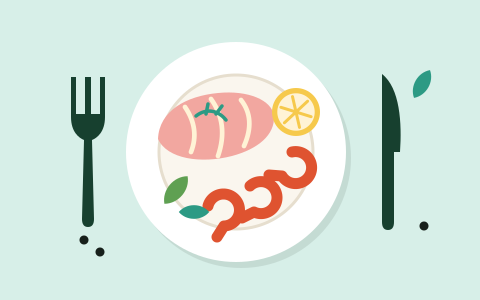
A pescatarian diet leaves out meat and poultry but keeps fish and shellfish, usually alongside eggs and dairy. In practice most meals are vegetarian, with fish a few times a week. People tend to choose it as a middle path: protein, vitamin B12, iodine and long-chain omega-3 fats are easier to get than on a vegan diet, without eating meat.
How much fish, and which
The NHS advises at least two portions of fish a week, one of them oily, with a portion being about 140 g cooked. Oily fish such as salmon, sardines, mackerel, herring and trout are the ones rich in long-chain omega-3 fats and vitamin D. Tuna does not count as oily, fresh or tinned. White fish and shellfish are low in fat.
There are upper limits too. Oily fish usually carry more pollutants than other seafood, and shark, swordfish and marlin more mercury, so the NHS limits how often they should be eaten: for adults, no more than one portion a week of those three. If you eat fish most days, vary the species and check which limits apply to you.
What the research shows
Evidence on pescatarian diets as such is limited and observational. A meta-analysis of prospective studies associated higher fish intake with a slightly lower risk of death from any cause, and higher red and processed meat intake with a higher one. People who eat this way often differ in other habits too, which such studies cannot fully separate.
Trials are less encouraging about omega-3 on its own. A 2020 Cochrane review of 86 trials found that long-chain omega-3 had little or no effect on deaths or cardiovascular events. Most of those trials gave capsules rather than fish, so they say little about fish eaten as part of a meal.
Worth knowing
- Diet labels here are worked out from the matched ingredients. Check packaged products such as stock, sauces and anything set with gelatine yourself.
- Iron from plants is absorbed less well than iron from meat, so include beans, lentils, leafy greens and fortified cereals regularly.
- Limits on some fish are lower for certain groups. Follow the NHS guidance or your clinician’s advice if that applies to you.
Common questions
Does tinned fish count?
Yes. Tinned sardines, pilchards and salmon are oily fish, and the soft bones add calcium. Tuna is not an oily fish, whether fresh or tinned.
Is pescatarian healthier than eating meat?
Studies link more fish and plants, and less red and processed meat, with lower risk of some diseases, but they are observational. What replaces the meat matters more than the label.
Sources
General information, not medical or dietary advice. Speak to a doctor or registered dietitian about your own situation.